Maximize Your Harvest: Growing Potatoes in Raised Beds
Growing potatoes in a raised bed can be a rewarding experience, offering numerous benefits such as improved soil health, easier harvesting, and better control over pests and diseases. With the right techniques and a little patience, you can enjoy a bountiful harvest of delicious potatoes right in your own backyard. Let's delve into the step-by-step process of growing potatoes in a raised bed.
Raised beds provide an ideal environment for growing potatoes due to their excellent drainage and warmer soil temperatures. They also allow for easier management of soil fertility and pest control. Before we dive into the planting process, let's discuss the essentials of setting up a raised bed for potatoes.
Preparing Your Raised Bed
Choosing the right location and materials for your raised bed is crucial for successful potato growth. Potatoes thrive in full sun and well-draining soil, so ensure your raised bed is positioned accordingly.


For the bed's structure, you can use a variety of materials such as wood, composite, or metal. Make sure the material is safe for plant roots and won't leach harmful chemicals into the soil. The ideal size for a raised bed is 4 feet by 8 feet, with a height of 12 to 18 inches. This size allows for easy access and efficient use of space.
Filling the Raised Bed with Soil
Fill your raised bed with a mix of high-quality topsoil, compost, and a small amount of well-rotted manure. Aim for a soil pH between 5.0 and 7.0. Potatoes prefer a loose, well-aerated soil with good drainage. Avoid using fresh manure, as it can harm potato plants.


To create the perfect soil mix, combine two parts topsoil with one part compost and a quarter part well-rotted manure. This blend will provide the necessary nutrients and structure for healthy potato growth. Once you've filled the raised bed, level the soil and rake it smooth.
Choosing the Right Potato Variety
Selecting the right potato variety for your raised bed is essential for a successful harvest. Consider factors such as climate, days to maturity, and disease resistance. Some popular potato varieties for raised beds include Yukon Gold, Red Pontiac, and Kennebec.
When selecting potato seeds, choose certified disease-free seed potatoes or organic potato tubers. Avoid using grocery store potatoes, as they may have been treated with growth inhibitors and could be infected with diseases. Additionally, ensure the seed potatoes are firm, smooth, and free of any blemishes or sprouts.


Planting Potatoes in the Raised Bed
Planting potatoes in a raised bed is a straightforward process that requires minimal effort. The ideal time to plant potatoes is in early spring, once the soil temperature has reached at least 40°F (4°C). Before planting, cut the seed potatoes into pieces, ensuring each piece has at least one or two eyes (buds).
Allow the cut pieces to heal and form a protective layer over the cut surfaces for a day or two before planting. This process, known as "curing," helps prevent rot and encourages faster sprouting.
Planting Depth and Spacing
Plant the potato pieces 2 to 3 inches deep and 12 to 15 inches apart in rows that are 24 to 36 inches apart. Planting at this depth and spacing allows for ample room for the potatoes to grow and develop. As the plants grow, they will produce additional tubers along the stem, resulting in a larger harvest.


After planting, gently water the raised bed to settle the soil around the potato pieces. Keep the soil consistently moist but not waterlogged, as excessive water can cause the potatoes to rot. Maintain a soil temperature between 60°F and 70°F (15°C and 21°C) for optimal growth.
Hilling and Mulching
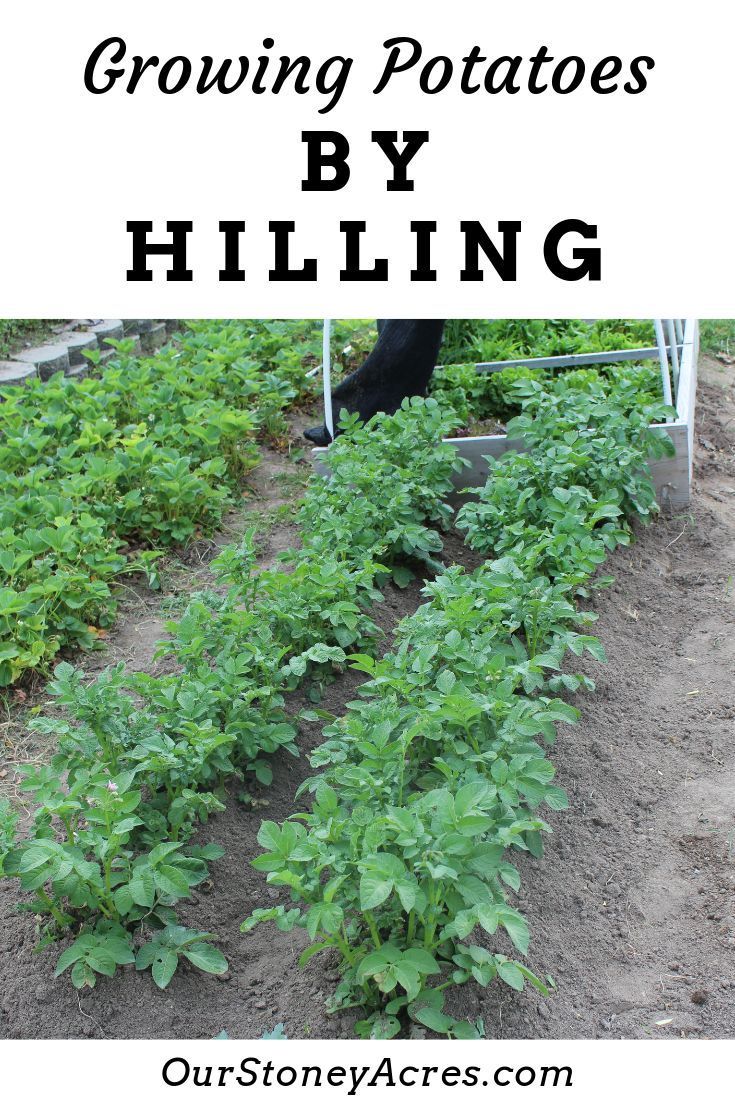
As the potato plants grow, mound soil around the stems to encourage the formation of more tubers. This process, called hilling, should be done when the plants are about 6 to 8 inches tall and again when they begin to flower. Hilling provides support for the plants and helps prevent tubers from becoming exposed to sunlight, which can cause them to turn green and produce a toxic substance called solanine.
Mulching the raised bed with straw or grass clippings can help retain moisture, suppress weeds, and regulate soil temperature. Apply a 2- to 3-inch layer of mulch around the base of the plants, taking care not to cover the stems. Mulching also helps prevent tubers from becoming exposed to sunlight and becoming green.
Caring for Potato Plants
Providing proper care for your potato plants is essential for a successful harvest. Regular watering, weed control, and pest management are crucial aspects of potato cultivation.
Water your raised bed consistently, providing about 1 to 2 inches of water per week, depending on rainfall and soil moisture levels. Potatoes have shallow roots, so it's essential to keep the top 6 inches of soil consistently moist. Avoid overwatering, as this can lead to rot and reduced yields.
Weed Control
Weeds can compete with potato plants for nutrients, water, and sunlight, so it's essential to keep them under control. Mulching can help suppress weeds, but you may still need to hand-pull or use a hoe to remove any that appear. Be careful not to disturb the potato tubers while weeding.
Some potato varieties are more susceptible to certain pests and diseases than others. Regularly inspect your plants for signs of pests, such as aphids, Colorado potato beetles, and potato flea beetles. If you find pests, use organic or chemical controls as needed, following the manufacturer's instructions.
Harvesting Potatoes
Harvesting potatoes at the right time is crucial for maximizing your yield and preserving the quality of your tubers. For new potatoes, dig gently around the plants with a fork when the flowers begin to fade, carefully removing the small tubers. New potatoes can be harvested as soon as they reach a usable size, typically about 1 to 2 inches in diameter.
For mature potatoes, wait until the plants have died back and the foliage has turned yellow and brown. This usually occurs about 2 to 3 weeks after the plants have flowered. Gently dig around the plants with a fork, being careful not to puncture the tubers. Once you've harvested all the potatoes, allow them to cure in a dark, cool place for about a week before storing them in a humid, cool location for long-term storage.
Growing potatoes in a raised bed can be a rewarding experience, providing you with a bountiful harvest of fresh, delicious potatoes. With the right techniques and a little patience, you can enjoy the fruits of your labor for months to come. Happy gardening!
Related Articles

Maximize Your Harvest: How to Grow Potatoes in a Grow Box
Potatoes are a versatile and rewarding vegetable to grow, and you don't need a sprawling garden to cultivate them. With the right setup, you can grow potatoes...

Maximize Your Space: Top Plants for Small Raised Garden Beds
Embarking on the journey of creating a small raised garden bed can be an exciting and rewarding experience. Not only do these beds allow for easier gardening...

Maximize Your Harvest: Creative Ideas for Growing Vegetables in Small Spaces
Transforming a small space into a thriving vegetable garden might seem challenging, but with the right strategies, it's absolutely achievable. Urban gardening...

Fall Potato Planting in Zone 5: Maximize Your Harvest
Fall is an ideal time to plant potatoes in Zone 5, as the cooler temperatures and increased rainfall promote healthier growth and higher yields. By...

Maximize Your Harvest: How to Help Pumpkins Grow Big
If you're looking to cultivate colossal pumpkins that could win prizes at the county fair, you've come to the right place. With the right care and techniques...

Raised Garden Layout Ideas: Maximize Your Vegetable Harvest
Transforming a small backyard or balcony into a thriving vegetable garden is an increasingly popular trend among urban dwellers. With the right raised...