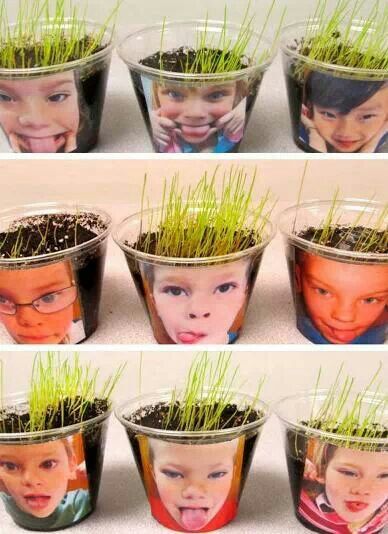
Gardening, often perceived as a hobby for the elderly or retired, is actually an engaging and educational activity that students of all ages can enjoy. It offers a unique blend of physical activity, creativity, and scientific learning, making it an ideal pastime for students seeking a break from their screens. Let’s delve into the world of gardening and explore how it can benefit students, along with some fun and educational activities they can engage in.
Gardening is not just about planting seeds and watching them grow. It’s a holistic experience that involves planning, preparation, and maintenance. It’s a hands-on learning process that can teach students valuable lessons about responsibility, patience, and the cycle of life. Moreover, it’s an excellent way to connect with nature and understand the importance of environmental conservation.

Benefits of Gardening for Students
Gardening offers a myriad of benefits for students. It can help improve their academic performance, enhance their physical and mental health, and foster a sense of accomplishment and responsibility. Let’s explore these benefits in detail.
One of the most significant benefits of gardening is its impact on academic performance. Studies have shown that students who participate in gardening activities tend to perform better academically. This is because gardening involves a range of cognitive skills, including problem-solving, critical thinking, and planning. It also encourages a deeper understanding of scientific concepts such as photosynthesis, ecosystems, and the life cycle of plants.
Improving Academic Performance
Gardening can enhance academic performance by fostering a love for learning and curiosity. It provides a practical application for theoretical knowledge, making learning more engaging and meaningful. For instance, students can learn about different plant species, their habitats, and the conditions they require to grow. This knowledge can be applied to other subjects like biology, geography, and environmental science.
Moreover, gardening can improve students’ focus and concentration. The repetitive nature of tasks like weeding, planting, and watering can have a meditative effect, helping students to calm their minds and improve their focus. This can translate to better concentration in the classroom and improved academic performance.

Enhancing Physical and Mental Health
Gardening is a physical activity that can help students maintain a healthy lifestyle. It involves tasks like digging, planting, and weeding, which can help strengthen muscles and improve flexibility. It also provides an opportunity for students to spend time outdoors, which can have a positive impact on their mental health.
Gardening has been shown to reduce stress and anxiety levels. It provides a sense of accomplishment and can be a form of therapy, allowing students to express their emotions and connect with nature. It can also boost self-esteem and foster a sense of pride and achievement, as students watch their plants grow and thrive under their care.
Gardening Activities for Students
There are numerous gardening activities that students can engage in, from planting flowers to growing vegetables. Here are some fun and educational activities that students can do in their gardens or even in small pots at home.

One of the most popular gardening activities for students is planting flowers. Flowers come in a variety of colors, shapes, and sizes, and they can be used to create beautiful and vibrant gardens. Students can learn about different types of flowers, their care requirements, and how to arrange them to create a visually appealing garden.
Planting Flowers
Planting flowers is a great way to introduce students to the world of gardening. It’s a simple and rewarding activity that can be done in small pots or in a garden bed. Students can start with easy-to-grow flowers like marigolds, petunias, and sunflowers. They can also learn about the different colors and shapes of flowers and how they attract different types of pollinators.
To make this activity more educational, students can keep a journal of their flowers, recording their growth and any changes they observe. They can also research the flowers they plant and present their findings to their classmates, teaching them about the different types of flowers and their care requirements.
Growing Vegetables
Growing vegetables is another popular gardening activity for students. It’s a practical and rewarding activity that can teach students about the origins of their food and the importance of sustainable agriculture. Students can start with easy-to-grow vegetables like lettuce, tomatoes, and herbs.

To make this activity more educational, students can learn about the nutritional value of the vegetables they grow and how they can be used in different recipes. They can also research the history of the vegetables they grow and present their findings to their classmates, teaching them about the cultural significance of different foods.
Gardening is a versatile and engaging activity that offers numerous benefits for students. It’s a hands-on learning experience that can improve academic performance, enhance physical and mental health, and foster a sense of responsibility and accomplishment. Whether it’s planting flowers or growing vegetables, there are countless gardening activities that students can engage in. So, why not encourage your students to get their hands dirty and reap the benefits of gardening?