Immerse your students or kids in the fascinating world of science while they tend to their green spaces with these engaging garden science activities. These hands-on experiments and observations not only foster a love for nature but also help children understand various scientific concepts in a fun and interactive way.
Gardening is a perfect blend of art and science, offering a wealth of learning opportunities. From observing plant growth to exploring ecosystems, these activities cater to different ages and abilities, making them ideal for classrooms, homeschooling, or family bonding time.

Plant Growth and Development
The process of plant growth is a marvel of nature that can be studied and observed through various garden science activities.
By setting up simple experiments, children can learn about the factors affecting plant growth, such as sunlight, water, and nutrients. They can also observe the life cycle of plants, from seed to maturity, and document their findings through drawings, photographs, or written observations.
Sunlight Experiment
This experiment helps children understand the importance of sunlight for plant growth. Provide three identical potted plants and place them in different light conditions: full sunlight, partial shade, and no light. Observe and record the plants’ growth over time.
To make it more engaging, have the children predict which plant will grow the fastest and why. This encourages critical thinking and helps them understand the concept of hypotheses in science.

Plant Nutrient Experiment
To demonstrate the role of nutrients in plant growth, prepare three identical pots with soil, and add different nutrients to each: compost, fertilizer, and plain water. Plant seeds in each pot and observe their growth.
Children can record their observations in a journal, noting the differences in plant height, leaf color, and overall health. This experiment helps them understand the importance of soil health and the role of nutrients in plant growth.
Ecosystem Exploration
Gardens are miniature ecosystems teeming with life. Exploring these ecosystems helps children understand the interconnectedness of living things and the importance of biodiversity.
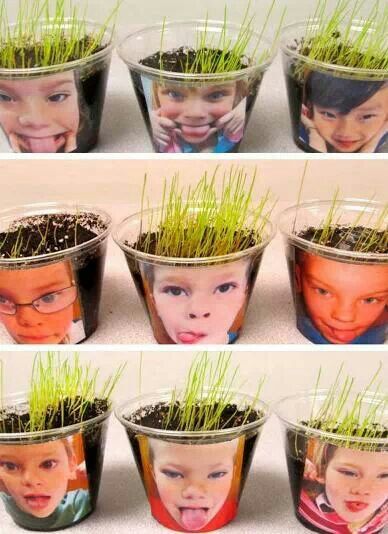
By observing and studying the various plants and animals in their garden, children can learn about food chains, habitats, and the role of each organism in maintaining a healthy ecosystem.
Bird Watching
Set up a bird feeder or birdbath in your garden and observe the different bird species that visit. Have the children identify the birds using a field guide or app, and record their observations in a journal.
They can also study the birds’ behavior, such as their feeding habits, territorial disputes, or nesting activities. This helps them understand the concept of habitats and the importance of providing resources for wildlife in our gardens.
Soil Ecosystem
Dig a small pit in your garden and observe the layers of soil, from the topsoil to the subsoil. Explain the role of each layer in supporting plant life and providing habitat for soil organisms.

Children can collect soil samples from different layers and observe them under a microscope to see the various organisms that live there, such as earthworms, insects, and microorganisms. This helps them understand the importance of soil health and the role of decomposers in the ecosystem.
Encourage children to share their findings with others, either through a garden science fair, a blog, or a presentation to their classmates. This not only helps them develop communication skills but also fosters a sense of pride and accomplishment in their scientific endeavors. Happy gardening and learning!


