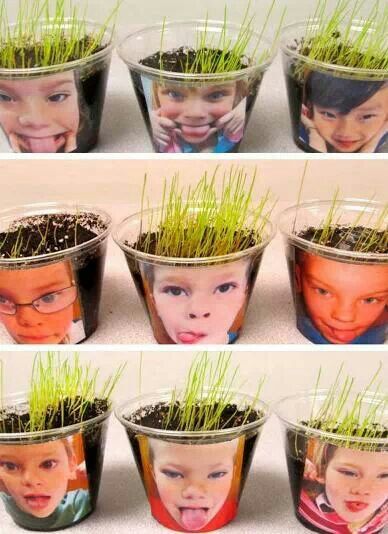
Transforming school grounds into vibrant, educational spaces is an exciting and rewarding endeavor. Garden projects for schools offer numerous benefits, from enhancing learning experiences to promoting environmental awareness. By incorporating nature into the curriculum, schools can foster creativity, improve academic performance, and cultivate a sense of community. Let’s delve into the world of school gardens and explore how to create engaging, sustainable projects that enrich both students and educators.
School gardens serve as living classrooms, providing hands-on learning opportunities that complement various subjects. They encourage students to engage with science, math, language arts, and social studies in a dynamic, real-world setting. Moreover, gardens promote physical activity, stress relief, and a connection to the natural world, contributing to students’ overall well-being.

Designing Your School Garden
Before breaking ground, it’s essential to plan your garden carefully. Consider your school’s unique needs, available space, and resources. Engage students, teachers, and the wider community in the planning process to ensure buy-in and support.
Assess your garden site’s sunlight, soil quality, and drainage. Determine what plants will thrive in your specific climate and conditions. Consider incorporating diverse plant species, native plants, and even edible crops to maximize learning opportunities.
Creating a Garden Map
A detailed garden map helps visualize your design and serves as a valuable teaching tool. Include paths, planting areas, and features like seating, art installations, or composting stations. Encourage students to create and update the map as the garden grows and changes.
Use online tools or graph paper to sketch your design. Consider using a grid system to ensure accurate scaling. Label plants, features, and paths clearly, and include a legend for easy reference. Once complete, print and display the map in the classroom and garden for all to enjoy.

Sustainable Garden Design
Integrating sustainable practices into your garden design ensures a healthy, resilient space that minimizes environmental impact. Incorporate rainwater harvesting, composting, and organic pest control methods. Use native plants to support local wildlife and reduce water usage.
Design with accessibility in mind, ensuring all students can participate regardless of physical abilities. Incorporate raised beds, wide paths, and accessible features like benches and signage. Collaborate with special education teachers to create an inclusive garden experience.
Incorporating Curriculum into Garden Projects
Aligning garden activities with classroom lessons maximizes learning outcomes and ensures curriculum integration. Here are some subject-specific ideas to inspire your school garden projects:

Science: Investigate plant life cycles, ecosystems, and food chains. Conduct experiments on plant growth, soil health, and pollination. Observe and record changes in the garden over time using data collection and analysis skills.
Math in the Garden
Math concepts come alive in the garden. Students can measure and graph plant growth, calculate area and perimeter for garden beds, or practice fractions by dividing plants or seeds. Use garden data to create charts, graphs, and statistical analyses.
Language Arts: Encourage creative writing by having students pen stories about garden characters or compose poems inspired by the garden. Practice descriptive writing by having students observe and record garden details. Use the garden as a backdrop for dramatic performances or role-plays.
Social Studies and Garden History
Explore the history of school gardens and their role in communities. Investigate cultural practices and traditions related to plants and gardening. Research and share stories of famous gardeners, botanists, and environmental advocates.

Art: Transform the garden into an outdoor art studio. Create garden-inspired sculptures, murals, or mosaics. Use natural materials like leaves, flowers, and stones to create temporary art installations. Document garden changes through photography or sketching.
As your school garden project takes root and grows, watch as students and educators alike reap the benefits of this enriching, hands-on learning experience. Nurture a love for nature, foster curiosity, and cultivate a sense of pride in your school’s green space. The future of education is blooming in your school garden.