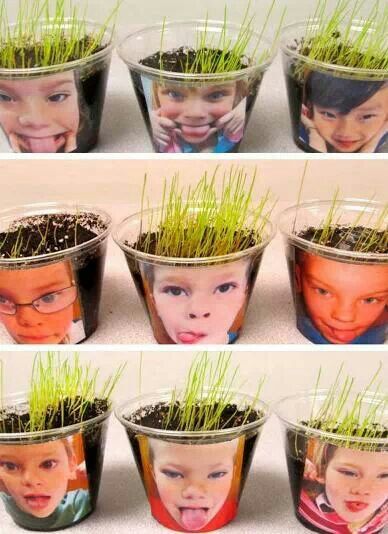
Transforming your garden into a vibrant preschool learning space is an exciting and rewarding endeavor. Not only does it provide a stimulating environment for young minds, but it also fosters a love for nature and outdoor play. Here, we’ll explore creative garden preschool ideas that blend education, fun, and the great outdoors.
Before we dive into the ideas, consider the layout and safety of your garden. Create distinct areas for different activities, ensure there’s adequate shade, and make sure all plants and materials are safe and non-toxic for young children.

Nature-Inspired Learning Zones
Designate specific areas in your garden for different learning activities, creating a nature-inspired classroom without walls.
Here are two key zones to consider:
Sensory Garden
A sensory garden engages children’s senses, helping them explore and understand the world around them. Incorporate plants with various textures, scents, and colors. Consider adding a small pond or water feature for visual and auditory stimulation.
Example plants include lavender (touch and scent), sunflowers (sight), and lamb’s ear (touch). You can also add wind chimes or a small water fountain for sound.

Storytelling Nook
Create a cozy, inviting space where children can listen to stories, practice reading, or share their own tales. This could be a small tent, a wooden structure, or even a simple blanket fort under a tree.
Add some cushions, a few books, and perhaps a small table for drawing or writing. You can also incorporate a sandpit or chalkboard for creative play.
Educational Activities and Games
Integrate learning opportunities into your garden preschool activities. Here are some engaging ideas:

Garden Scavenger Hunts
Create scavenger hunts that encourage children to explore and observe their surroundings. Lists can include items like ‘something red’, ‘a feather’, or ‘a smooth pebble’.
For older children, you can introduce simple scientific concepts like ‘find something that grows’ or ‘find something that’s alive but doesn’t move’.
Garden Science Experiments
Garden science experiments are a fun way to teach children about the natural world. Here are a couple of ideas:
- Plant Growth Comparison: Plant seeds in different conditions (sun, shade, watered regularly, watered occasionally) and observe the differences in growth.
- Composting: Start a small compost pile to teach children about decomposition and recycling. They can help add materials and observe the process over time.
Art in the Garden
Encourage creativity with garden-inspired art activities. Children can paint or draw what they see, collect leaves and flowers to make collages, or create sculptures using natural materials.

You can also set up a simple easel or table for painting, or hang a clothesline for drying artwork made from natural materials.
As your garden preschool evolves, remember that the key is to create a space that’s both fun and educational. Observe the children’s interests and adapt activities accordingly. Happy gardening!