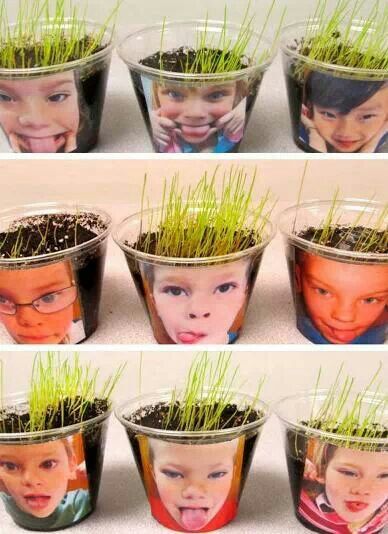
Gardening with preschoolers is a delightful and educational experience that fosters a love for nature while promoting cognitive, physical, and emotional development. Engaging young children in gardening activities encourages curiosity, patience, and responsibility, making it an ideal opportunity for learning and bonding. Here, we explore a variety of age-appropriate gardening activities that are both fun and beneficial for pre-k children.
Before diving into gardening activities, it’s essential to ensure a safe and engaging environment. Choose a space that is easy for little ones to access, with soft, level ground and minimal hazards. Provide child-sized tools and gloves to make gardening comfortable and enjoyable for your young helpers.

Sowing Seeds and Planting
Introducing preschoolers to the magic of seeds is an excellent starting point. Begin with large, easy-to-handle seeds like beans, sunflowers, or marigolds. Explain the concept of seeds growing into plants and how they need sunlight, water, and soil to grow.
To make seed planting more engaging, create a sensory experience. Let children touch, smell, and even taste (if safe) the seeds before planting. This interactive approach helps reinforce learning and creates lasting memories.
Seed Planting Stations
Set up a designated planting station with small pots, soil, and seeds. Demonstrate how to fill the pot with soil, make a small hole, place the seed inside, and gently cover it with more soil. Encourage children to use their senses as they plant, describing the textures, sounds, and smells they encounter.
After planting, discuss the importance of watering and provide each child with a small watering can. Explain that plants need water to grow, but not too much, as this can drown the seed. Demonstrate how to water the plants gently, allowing children to practice this essential gardening skill.

Planting in Natural Environments
Extend the seed planting experience by taking children on a nature walk to collect natural materials like leaves, flowers, or small sticks. Back at the garden, encourage them to create a mini-landscape using their findings and plant seeds within their creation.
This activity fosters creativity and imagination while teaching children about the interconnectedness of plants and their natural environment. It also provides an opportunity to discuss the importance of conservation and caring for the planet.
Caring for Plants
Once seeds have sprouted and grown into young plants, it’s essential to teach children about the ongoing care required to keep them healthy. Regular gardening tasks like watering, weeding, and observing plant growth help instill a sense of responsibility and nurturing.

Make caring for plants a collaborative effort by assigning simple tasks suitable for preschoolers. This not only helps maintain the garden but also fosters a sense of accomplishment and teamwork among the children.
Watering and Observing Growth
Establish a watering routine and involve children in the process. Provide each child with a watering can or spray bottle and demonstrate how to check if a plant needs water. Explain that plants need water to grow and that they can tell if a plant is thirsty by looking at its leaves or feeling the soil.
Encourage children to observe and record the growth of their plants over time. Create simple growth charts or use photographs to document changes. This activity promotes critical thinking and helps children understand the concept of time and growth.
Weeding and Pruning
Teach children the difference between weeds and desired plants, explaining that weeds compete with other plants for resources and can sometimes harm them. Provide child-sized tools like small trowels or tweezers and demonstrate how to gently remove weeds from the soil.

Introduce the concept of pruning by explaining that sometimes plants need help growing in the right direction or producing more flowers. Show children how to carefully snip off dead or unwanted parts of a plant using child-safe scissors or pruners. Emphasize the importance of being gentle and patient when caring for plants.
Harvesting and Enjoying the Fruits of Labor
As plants mature, teach children about the rewards of their hard work by harvesting the fruits, vegetables, or flowers they’ve grown. Explain that these can be enjoyed in various ways, such as eating, displaying, or even using them in art projects.
Celebrate the harvest by organizing a garden party or creating a special meal using the produce grown by the children. This not only provides a sense of accomplishment but also fosters an appreciation for fresh, homegrown food and the effort that goes into producing it.
Gardening with pre-k children is a wonderful opportunity to nurture their curiosity, promote learning, and create lasting memories. By engaging them in age-appropriate activities, you foster a love for nature and instill essential life skills that will serve them well into the future. So, grab your gardening gloves and let the little ones dig in – the possibilities are as endless as the growth they’ll witness!