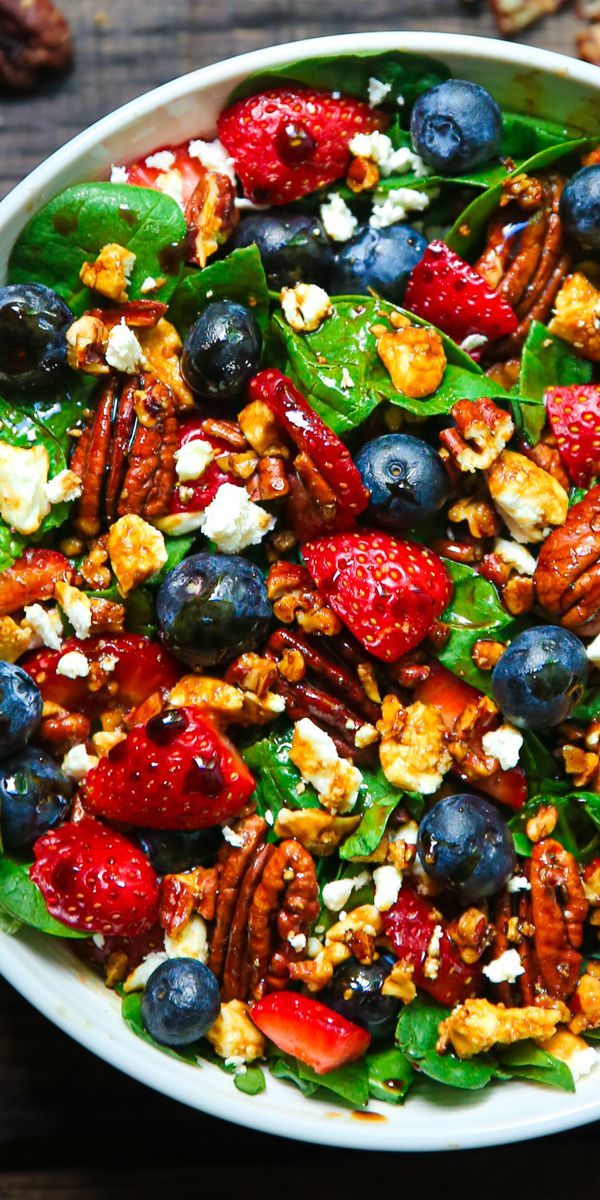
Creating a visually appealing garden salad isn’t just about tossing together your favorite veggies. It’s an art that combines color, texture, and presentation to make your dish as delightful to the eyes as it is to the taste buds. Here’s a guide to help you make your garden salad look pretty, with tips on selecting ingredients, arranging them, and adding those final touches that make all the difference.
Before we dive into the details, remember that the key to a beautiful salad is variety. Aim for a mix of colors, textures, and flavors to create a salad that’s not only Instagram-worthy but also a culinary adventure.

Selecting Your Ingredients
Choosing the right ingredients is the first step in creating a stunning garden salad. Opt for a variety of colors to make your salad visually appealing. Think reds, oranges, greens, and purples – nature’s own rainbow.
Consider the texture as well. Crunchy lettuce, crisp cucumbers, and crunchy nuts can add a satisfying texture to your salad. Soft cheeses, creamy avocados, and cooked grains can provide a contrast in texture, making each bite interesting.
Leafy Greens
Leafy greens form the base of your salad. They provide the color, texture, and a base for your other ingredients. Choose from a variety of greens like romaine, arugula, spinach, or kale. Each has a unique color, texture, and flavor that can change the dynamics of your salad.
Consider using a mix of greens for added interest. For example, a bed of soft, dark green spinach can provide a striking contrast to bright red strawberries or crisp white feta cheese.

Vegetables and Fruits
Vegetables and fruits add color, flavor, and nutrients to your salad. They also provide a variety of textures, from crunchy to juicy. Choose a mix of colors and textures. For example, red bell peppers, orange carrots, and purple cabbage can add a vibrant pop of color, while cucumbers, radishes, and celery can provide a satisfying crunch.
Fruits like strawberries, blueberries, and mandarin oranges can add a sweet touch and a burst of color. Remember, the more colors you have, the more visually appealing your salad will be.
Arranging Your Salad
Once you’ve selected your ingredients, it’s time to arrange them artfully. This is where you can let your creativity shine. Remember, the goal is to create a visually appealing salad that’s also easy to eat.

Start by placing your leafy greens in a bowl or on a platter. This will serve as the base for your salad. Then, start arranging your other ingredients on top, working from the center outwards.
Layering
Layering your ingredients can add depth and dimension to your salad. Start with the heaviest ingredients at the bottom, like cooked grains or beans. Then, add your leafy greens, followed by lighter ingredients like fruits and cheeses.
You can also create layers of color. For example, start with a base of green lettuce, then add a layer of orange carrots, followed by a layer of red bell peppers, and finally, top it off with purple cabbage.
Clustering
Instead of scattering your ingredients evenly across the salad, try clustering them. This can create interesting patterns and make your salad look more dynamic. For example, you could create a cluster of cherry tomatoes in one corner, a cluster of blueberries in another, and a cluster of sliced cucumbers in a third.

Remember, the goal is to create a salad that’s visually appealing and easy to eat. So, while clustering can look great, make sure your clusters aren’t so large that they overwhelm the rest of the salad or make it difficult to eat.
Adding the Finishing Touches
Once you’ve arranged your ingredients, it’s time to add the finishing touches that can elevate your salad from ordinary to extraordinary.
Drizzle your dressing around the edge of the salad, rather than pouring it on top. This way, you can control how much dressing each bite has. You can also add a sprinkle of herbs, like fresh parsley or basil, for a pop of color and flavor.
Edible Flowers
Edible flowers can add a touch of elegance to your salad. They come in a variety of colors and can add a unique, delicate flavor. Some common edible flowers include nasturtiums, violas, and pansies. Make sure to buy them from a reputable source or grow them yourself to ensure they’re safe to eat.

Arrange them artfully on top of your salad. You can also use them to garnish individual plates if you’re serving your salad family-style.
Crispy Elements
Crispy elements like croutons, nuts, or seeds can add a satisfying crunch to your salad. They can also add a pop of color and texture. Toast your own nuts or seeds for the best flavor, and make sure to add them just before serving to prevent them from getting soggy.
You can also make your own croutons by cutting bread into cubes, tossing them in olive oil and your favorite seasonings, and baking them until crispy. Add them to your salad just before serving.
There you have it – a guide to creating a garden salad that’s as pretty as it is delicious. Remember, the key is to have fun with it. Experiment with different ingredients, arrangements, and finishing touches to find what works best for you. And most importantly, enjoy the process. After all, creating a beautiful salad is a labor of love, and that love will shine through in every bite.