Imagine biting into a crisp, juicy tomato, its vibrant flavor exploding in your mouth, or the refreshing crunch of a cucumber slice on a hot summer day. These are the delightful experiences that beautiful garden salads offer, transforming ordinary greens into a symphony of tastes and textures. Let’s delve into the art of creating stunning, mouthwatering garden salads that will make every meal a celebration.
Garden salads are more than just a side dish; they’re a canvas for showcasing the freshest, most vibrant produce nature has to offer. Whether you’re a seasoned gardener or a produce enthusiast, this guide will help you craft salads that are as beautiful to behold as they are to consume.

Understanding the Building Blocks of a Beautiful Garden Salad
A beautiful garden salad is a harmonious blend of colors, textures, and flavors. To create a stunning salad, you’ll need to understand and balance these elements.
Start with a vibrant base of greens. Leafy greens like lettuce, spinach, or kale form the foundation of your salad. Choose greens with varying textures and colors to create visual interest. For example, pair crisp romaine lettuce with soft, tender baby spinach and peppery arugula for a salad that’s as delightful to eat as it is to look at.
Choosing the Right Greens
Selecting the right greens is crucial for creating a beautiful garden salad. Different greens have unique flavors, textures, and nutritional profiles. For instance, romaine lettuce has a crunchy texture and mild flavor, making it an excellent choice for salads with heavier dressings. On the other hand, soft, tender greens like butter lettuce or baby spinach are perfect for delicate, light dressings.
Consider the seasonality of greens when selecting your salad base. Spring and summer offer a wide variety of tender, young greens, while heartier greens like kale and collards are at their best in the fall and winter. Using seasonal greens ensures that your salad is not only beautiful but also at its peak flavor.
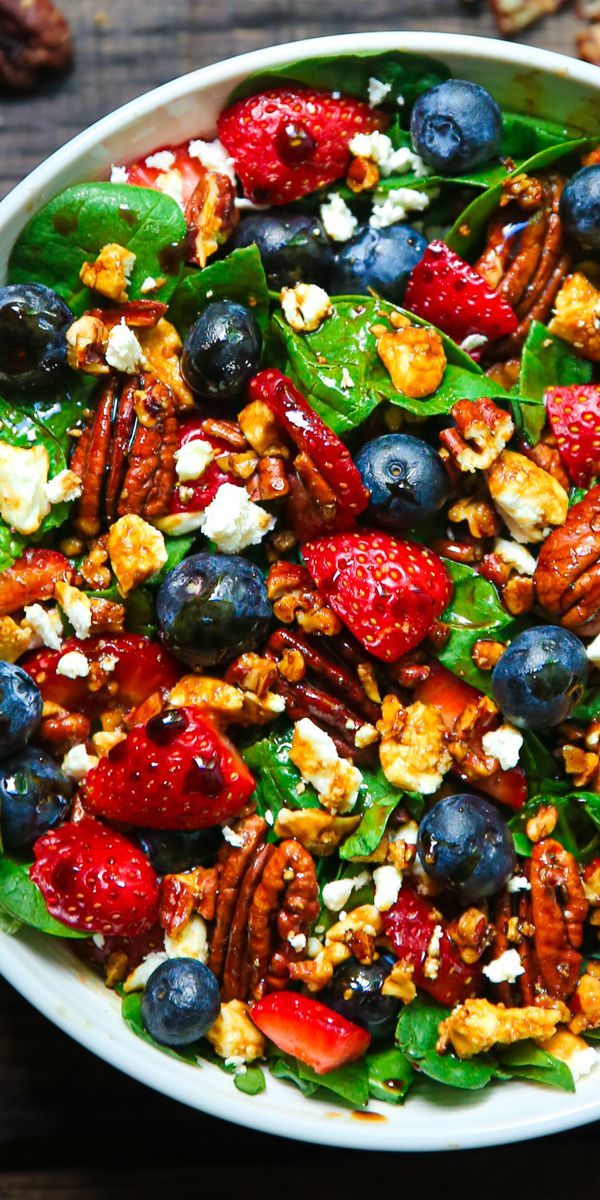
Adding Color and Texture with Vegetables
Once you’ve chosen your greens, it’s time to add color and texture with an array of vegetables. The possibilities are endless, from crisp bell peppers and crunchy carrots to sweet corn and earthy beets. Aim for a variety of colors to create a visually appealing salad.
Think about the texture and flavor profile of each vegetable. For example, pair crisp cucumbers and bell peppers with soft, creamy avocado for a satisfying mix of textures. Or, balance the bitterness of endive or radicchio with sweet, juicy berries or ripe peaches.
Crafting a Stunning Presentation
A beautiful garden salad is more than just delicious; it’s a feast for the eyes. Presentation plays a crucial role in creating a memorable dining experience.

Start by choosing a beautiful serving dish. A large, shallow bowl or platter allows the salad to spread out, showcasing its vibrant colors and textures. Alternatively, individual salad plates can be used for a more elegant presentation.
Arranging the Salad
Arranging the salad artfully is key to creating a stunning presentation. Start by placing the greens in the center of the serving dish, creating a lush, green base. Then, arrange the vegetables and other toppings around the edges, creating a colorful border.
For a more dramatic presentation, consider creating a “salad nest.” Start by arranging the greens in a circular pattern, leaving a small hole in the center. Then, fill the hole with a colorful mix of vegetables, creating a vibrant “nest” within the salad.
Toppings and Garnishes
Toppings and garnishes can elevate a beautiful garden salad to new heights. Crispy croutons, crumbled cheese, or toasted nuts add texture and depth, while fresh herbs or edible flowers add a touch of elegance.

Don’t be afraid to get creative with your toppings. For example, shaved Parmesan cheese adds a salty, nutty flavor, while toasted pumpkin seeds provide a satisfying crunch. Or, try adding a sprinkle of dukkah, a Middle Eastern spice mix, for a unique, aromatic twist.
Dressing Your Salad to Perfection
A well-crafted salad dressing can make or break a beautiful garden salad. The right dressing enhances the flavors of the vegetables, while the wrong one can overwhelm them.
Start by choosing a dressing that complements the flavors and textures of your salad. For example, a creamy avocado or ranch dressing pairs well with crisp, crunchy vegetables, while a light vinaigrette is perfect for delicate greens.
Homemade Dressings
Homemade dressings are not only delicious but also allow you to control the ingredients and adjust the flavor profile to your liking. Start with a base of oil and vinegar, then add herbs, spices, and other flavorings to create a dressing that complements your salad.

For example, try a classic vinaigrette with red wine vinegar, Dijon mustard, and fresh herbs, or a zesty lime dressing with honey, chili flakes, and cilantro for a Southwestern-inspired salad. Experiment with different flavor combinations to find the ones that work best for you.
When to Dress Your Salad
Timing is crucial when it comes to dressing your salad. Dressing the salad too early can cause the greens to wilt and the vegetables to lose their crunch. On the other hand, dressing it too late can result in a dry, unappetizing salad.
For the best results, dress your salad just before serving. Toss the greens gently with the dressing, ensuring that each leaf is lightly coated. Then, arrange the salad on the serving dish and add the toppings. This ensures that your salad is at its peak flavor and texture when it reaches the table.
Creating beautiful garden salads is an art form that combines the best of nature’s bounty with a touch of creativity. Whether you’re a seasoned gardener or a produce enthusiast, this guide will help you craft salads that are as stunning to look at as they are to eat. So, get out there, explore your local farmers market, and start creating your own masterpieces on a plate.


