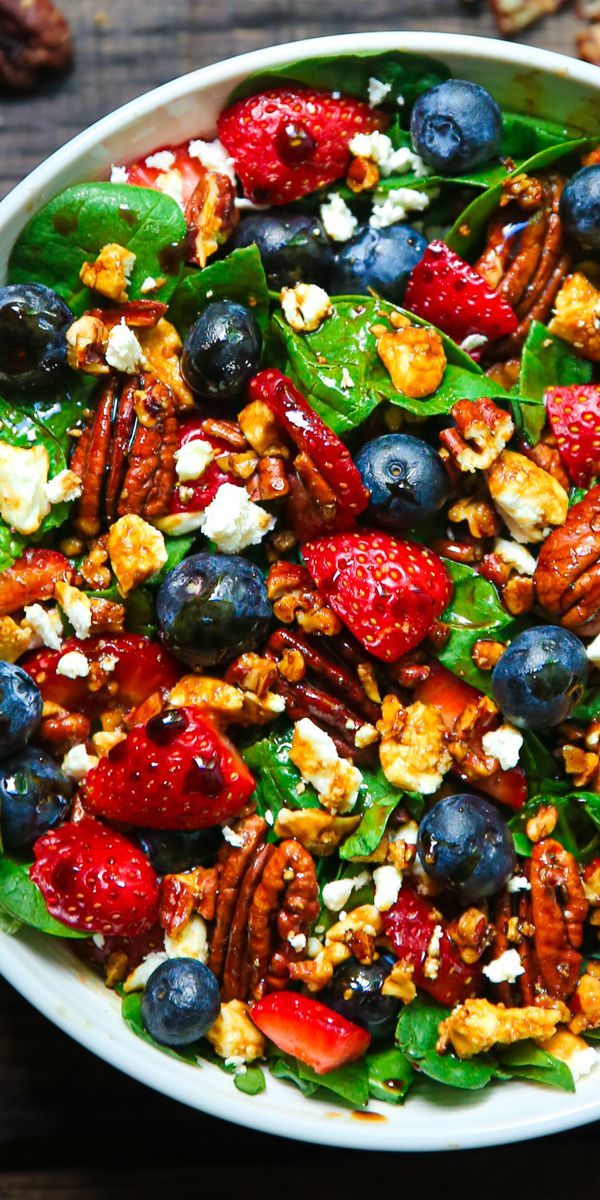
Transforming a simple salad into a visually stunning and delicious garden salad is an art that anyone can master. With the right ingredients, a bit of creativity, and some simple techniques, you can create a salad that’s not only healthy but also a showstopper. Let’s dive into the world of garden salads and learn how to make one that’s as pretty as it is tasty.
First, let’s talk about the key to any great garden salad: fresh, seasonal ingredients. The best part about garden salads is that they allow you to showcase the beauty of nature’s bounty. So, whenever possible, use locally sourced, fresh produce that’s in season. Not only will your salad taste better, but it will also be more visually appealing.

Choosing Your Greens
At the base of every garden salad lies a bed of greens. While iceberg lettuce was once the norm, we now know that there are many more exciting and nutritious options out there. Consider using a mix of different greens for both taste and aesthetics. For instance, you could combine crisp romaine lettuce with soft butter lettuce, or add a pop of color with red leaf or green oak leaf lettuce.
Don’t forget about other leafy greens like spinach, arugula, or kale. These not only add a nutritional boost but also a unique texture and flavor. To make your salad even more interesting, you could also include herbs like basil, mint, or parsley. They add a fresh, vibrant flavor that can elevate your salad to the next level.
Preparing Your Greens
Once you’ve chosen your greens, it’s important to prepare them properly. Start by washing your greens thoroughly to remove any dirt or residue. The best way to do this is to fill a large bowl with cold water, add your greens, and swish them around. Then, lift them out of the water, leaving any dirt behind. Repeat this process until the water is clear.
Next, dry your greens thoroughly. Wet greens can make your salad soggy and dilute the dressing. The best way to dry them is to use a salad spinner or to pat them dry with a clean kitchen towel. Once dry, you can either tear or chop your greens, depending on your preference and the type of lettuce.

Selecting Your Vegetables
Now that your greens are ready, it’s time to choose your vegetables. The possibilities are endless, but some of our favorites include cherry tomatoes, cucumbers, bell peppers, and carrots. For a pop of color, consider adding red onion, radishes, or beets. You could also include some cooked vegetables like asparagus or grilled zucchini for added flavor and texture.
When selecting your vegetables, remember that size matters. Smaller vegetables are not only cuter but also easier to eat. So, opt for cherry or grape tomatoes over regular ones, and slice your cucumbers and bell peppers into thin rounds. If you’re using larger vegetables, make sure to cut them into bite-sized pieces.
Adding Fruits and Proteins
Fruits and proteins can take your garden salad from a side dish to a main event. The key is to choose fruits and proteins that complement your other ingredients. For instance, if you’re using a lot of sweet vegetables like corn or bell peppers, you might want to balance them out with a tart fruit like grapefruit or pomegranate seeds.

When it comes to proteins, the sky’s the limit. You could add grilled chicken, tofu, or chickpeas for a hearty salad. Or, you could keep it light with a sprinkle of nuts or seeds. For a touch of luxury, consider adding crumbled feta, goat cheese, or shaved Parmesan.
Picking Your Dressing
No garden salad is complete without a delicious dressing. The best dressings are simple and allow the flavors of your ingredients to shine. We recommend sticking with a classic vinaigrette, which is made with oil, vinegar, and a touch of sweetness. You could also try a creamy dressing made with Greek yogurt or avocado, or a zesty dressing made with citrus juice and herbs.
When dressing your salad, remember that a little goes a long way. Start by drizzling a small amount of dressing over your greens, then toss to coat. Add more dressing as needed, but be careful not to overdress your salad. A soggy salad is no one’s friend!
Assembling Your Salad
Now that you have all your ingredients ready, it’s time to assemble your salad. Start by arranging your greens in a large bowl or on a platter. Then, add your vegetables, fruits, and proteins, making sure to distribute them evenly. If you’re using any crumbled cheeses or nuts, sprinkle them on top.

Finally, drizzle your dressing over the top of the salad. You can either serve the dressing on the side or toss the salad to coat it evenly. For a pretty presentation, you could also drizzle the dressing in a circular pattern around the edge of the platter, allowing it to seep into the salad as it’s served.
And there you have it! A garden salad that’s as pretty as it is delicious. Remember, the key to a great garden salad is to use fresh, seasonal ingredients and to have fun with your presentation. So, get creative, experiment with different combinations, and enjoy the process of turning a simple salad into a work of art.